
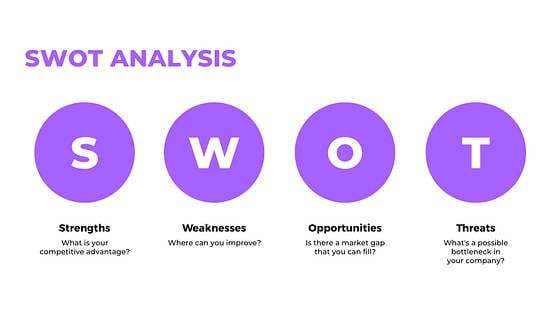
Running a business is like navigating a ship through unpredictable waters. One day you’re cruising with the wind in your favor, the next, you could be facing a storm you didn’t see coming. So, what do you do when you’re steering through foggy waters or calm seas? You rely on a trusty map to guide you. In the business world, that map is the SWOT analysis.
A SWOT analysis is your strategic compass—it helps you identify where your business stands, where it’s headed, and the potential pitfalls to avoid along the way. This simple, yet powerful, tool allows you to assess your company’s Strengths, Weaknesses, Opportunities, and Threats, which in turn provides you with a clear direction for growth and improvement.
Now that we understand the basics of a SWOT analysis, let’s take a step-by-step approach to conduct one for your business.
1. Gather Your Team and Define Your Objective
A SWOT analysis isn’t a solo activity. It’s a collaborative exercise that requires input from key stakeholders within your company. Whether it’s your leadership team, department heads, or even external consultants, the more diverse the perspectives, the better.
Start by defining the objective of your analysis. Are you conducting the SWOT to improve internal operations? Are you exploring a new market? Maybe you’re just trying to get a general sense of your company’s standing. Setting a clear goal will give your analysis direction.
2. Evaluate Your Strengths
It’s time to take stock of your business’s assets. Think about the elements that give you an edge over your competitors. Ask yourself these questions:
- What does our business excel at?
- What resources do we have that others might lack?
- Why do customers choose us over the competition?
- What positive feedback do we frequently receive from clients?
This is where you highlight what makes your business unique and valuable in the marketplace. It could be a well-known brand, a highly skilled workforce, exclusive products, or a loyal customer base. This stage is all about celebrating your achievements and understanding the foundation on which you can build.
3. Identify Your Weaknesses
Next, you need to be brutally honest about the areas where your business falls short. Remember, nobody’s perfect, so take a deep breath and let’s face these weaknesses head-on. To do this, ask questions like:
- Where are we losing customers or sales?
- What skills or resources do we lack?
- What processes or systems are inefficient?
- Where do we get negative feedback from customers?
Identifying weaknesses isn’t about pointing fingers or blaming anyone—it’s about understanding where improvements are needed. After all, every weakness is just an opportunity in disguise to strengthen your business.
4. Spot Opportunities
Now it’s time to look outward and assess the external factors that could give your business a boost. This is the part of the SWOT where you can let your creativity flow. Think about:
- What trends are emerging in the market?
- Are there technological advancements you can leverage?
- Can you expand into new geographical markets or customer segments?
- Is there a gap in the market that your product or service can fill?
Opportunities can come from various places—whether it’s a shift in customer preferences, new regulations that benefit your industry, or global events that present a new demand for your product. Keep an eye on trends, as they often shape your long-term strategy.
5. Anticipate Threats
Last, but certainly not least, you need to assess the external threats that could negatively impact your business. The world is full of uncertainties, and understanding these threats is key to navigating through them. Some questions to ask include:
- What are our competitors doing that could pose a risk?
- Are there economic or political factors that could affect our industry?
- Could new technology disrupt our business model?
- Is there a shift in customer preferences or a new market trend that could make our product or service obsolete?
By identifying these threats, you can develop contingency plans to mitigate their impact. This way, when storms hit, you won’t be blindsided.
6. Analyze and Develop Actionable Strategies
Once you’ve filled out your SWOT grid, it’s time to take a step back and analyze the results. You should aim to create strategies that leverage your strengths, address your weaknesses, capitalize on opportunities, and protect against threats. For example:
- Leveraging strengths to capitalize on opportunities: If you have strong brand loyalty and there’s an emerging trend toward eco-friendly products, perhaps you could introduce a green product line.
- Addressing weaknesses to reduce threats: If you’re facing competition in pricing, consider streamlining operations to lower costs and remain competitive.
By taking actionable steps based on your SWOT analysis, you’ll be better equipped to navigate challenges and seize growth opportunities.
7. Implement and Monitor
The final step of the process is putting your strategies into action. And as with any business decision, it’s crucial to monitor progress. Set clear performance metrics to ensure your strategies are working and adjust them as needed.
A SWOT analysis isn’t a one-time event. As your business evolves and the market changes, it’s important to regularly revisit your SWOT analysis to stay ahead of the curve.
Why Conduct a SWOT Analysis?
You may be wondering, “Why bother with all of this?” The answer is simple: a SWOT analysis provides you with the clarity and insight necessary to make informed decisions. It helps you:
- Identify areas for growth: Whether it’s expanding into new markets or developing new products, a SWOT analysis highlights opportunities for business growth.
- Make informed decisions: With a clear understanding of your strengths, weaknesses, opportunities, and threats, you can make smarter business decisions that are grounded in reality.
- Stay competitive: By continuously assessing both internal and external factors, you can anticipate changes in the market and adapt proactively, ensuring your business remains competitive.
- Minimize risks: By identifying threats and weaknesses early on, you can develop strategies to mitigate potential risks and avoid costly mistakes.
Final Thoughts
Conducting a SWOT analysis is a vital part of strategic planning that can unlock the potential of your business. It’s like looking into a mirror, but instead of just reflecting, you’re gaining insight into where you’ve been, where you are, and where you could go. Sure, it might feel a bit daunting at first—no one likes admitting weaknesses or acknowledging threats. But ultimately, it’s about being proactive, not reactive, and setting your business up for success.
So, take the time to sit down with your team, dive into your strengths and weaknesses, and start mapping out those opportunities and threats. Trust me, your business will thank you later!
Happy researching!
 ASK Research Consult
Leave a comment