
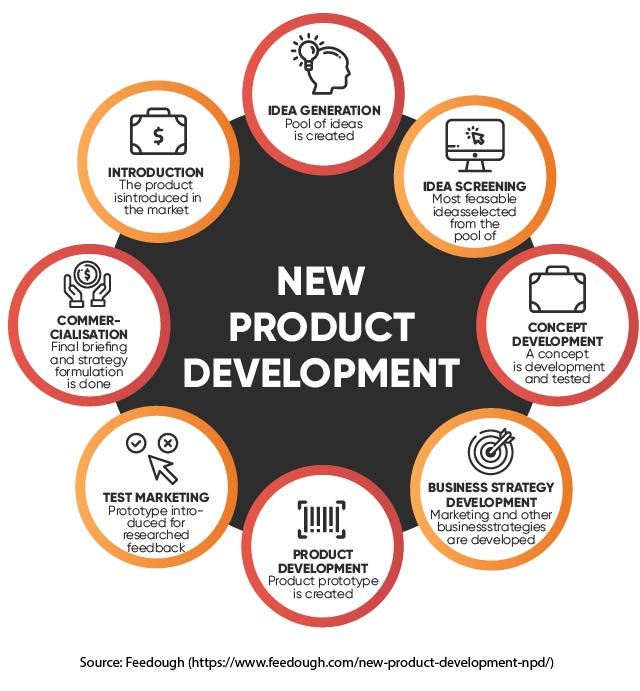
In today’s fast-paced market, developing a product that stands out and truly meets customer needs is no easy task. But fear not—research is your secret weapon! Whether you’re launching a groundbreaking app or a kitchen gadget that could rival your grandma’s secret recipe, using research to guide your product development process ensures that you’re not just guessing in the dark. Instead, you’re making informed decisions that lead to innovative and effective products. So, how can research be used to fuel your product development? Let’s dive into it.
1. Understand Your Customers Like a Mind Reader (But Less Creepy)
You’ve heard it a thousand times: “The customer is always right.” Well, research allows you to put that old adage into practice. Customer research helps you understand their pain points, desires, and preferences in ways that even their social media posts might not reveal. Surveys, interviews, and focus groups give you a clear picture of who your customers are and what they really want. After all, if you know what your customers need, you’re one step closer to developing a product they’ll love. Research ensures you’re not building a product based on assumptions or guesswork. It’s about truly connecting with your audience to give them what they didn’t even know they needed.
2. The Competitive Edge: Outpace the Competition
Think of research as your business’s GPS. It helps you navigate through a competitive landscape with precision. By researching your competitors, you get a comprehensive understanding of what’s already available in the market and what gaps still exist. Are there features your competitors’ products lack? What can you offer that they can’t? Research helps you identify market trends and uncover opportunities that can set your product apart. You don’t have to reinvent the wheel; sometimes, it’s about tweaking the existing design and making it better. Your competitors’ mistakes are your lessons—use them to your advantage.
3. Innovation through Trend Analysis: Predicting the Future (Sort of)
Innovation doesn’t happen in a vacuum. By diving into research, you can identify emerging trends before they become mainstream. Whether it’s a new technology, a shift in consumer behavior, or an industry trend, staying ahead of the curve is key to developing products that are not just relevant today, but in the years to come. Research helps you track patterns and predict future demands, so you can align your product development with the needs of tomorrow’s market. It’s not about playing catch-up—it’s about getting there first and making your mark.
4. Prototyping and Testing: The Scientific Method for Product Development
Imagine creating a product, launching it, and realizing it doesn’t work as expected. Talk about a nightmare! Luckily, research helps you avoid that by guiding your prototyping and testing phase. A lot of product development involves trial and error, but research allows you to minimize errors by providing valuable insights before you even get to the prototype stage. For instance, using surveys to test your product idea or A/B testing to see which features resonate more with users helps you refine your design in a targeted way. It’s like the scientific method, but for creating products that will actually succeed in the real world.
5. Data-Driven Decisions: Trust the Numbers, Not Just Your Gut
We’ve all heard someone say, “I just have a gut feeling about this.” While intuition has its place, making product development decisions based solely on your “gut” could lead to disaster. Research, on the other hand, gives you data-backed insights to guide your choices. Data-driven decisions—whether they come from market trends, customer feedback, or testing results—help you move forward with confidence. This kind of research provides measurable evidence that the product you’re developing has the potential for success, rather than relying on hunches that might lead you astray.
6. Iterate and Improve: Perfect Doesn’t Happen Overnight
Once your product is launched, it doesn’t just end there. In fact, this is where continuous research plays a pivotal role. Feedback from customers, post-launch analysis, and tracking product performance can all be sources of insights for future improvements. Innovation doesn’t stop once your product hits the shelves—it’s an ongoing process. Research helps you gather insights that lead to iterative development, ensuring your product continues to evolve and stay relevant.
In Conclusion: Research is the Fuel for Innovation
Leveraging research in product development is like having a blueprint before you start building your dream house. It takes the guesswork out of the equation and ensures that every decision you make is informed by real data and insights. From understanding your customers to staying ahead of trends and iterating after launch, research is the cornerstone of successful, innovative products.
So, while your competitors may still be in the dark, you’ll be confidently navigating the market, building products that people want—and sometimes, even need—before they even realize it. Ready to leverage research for your next product? Your future customers are waiting.
Happy researching!
 ASK Research Consult
Leave a comment