
Let’s be honest, the world of research can sometimes feel like one giant, never-ending treasure hunt. You know what you’re looking for, but the map to get there? Well, it’s more like a jumbled scribble on the back of a napkin. But fear not, fellow researcher! Secondary data is here to save the day, and we’re going to break down its importance, how to use it like a pro, and why it’s the research equivalent of finding an ancient map in the attic.
What is Secondary Data? (And Why Should You Care?)
Before we dive into the nitty-gritty, let’s clarify what secondary data is, because there’s no shame in not being completely up to speed. Secondary data is like that trusty pair of shoes you found in the back of your closet: someone else may have used them before, but they’re still in pretty good shape and ready to help you out. Essentially, secondary data is data that has already been collected, analyzed, and published by someone else. This could come from online databases (JSTOR, PubMed, etc.), books, articles, or case studies. It’s like doing research without reinventing the wheel!
Now, you might be thinking, “Wait, can I trust this data? Isn’t it someone else’s work?” And that, my dear friend, is where the magic happens. Secondary data has already undergone its own share of scrutiny, and with the right approach, it can be just as reliable (or even more so) than primary data.
Why is Secondary Data Important?
1. Saves Time and Money:
Imagine you’re an archaeologist. Instead of digging up every inch of a desert to find one artifact (hello, exhaustion), you’re able to consult maps, books, and findings from past expeditions. That’s secondary data. You get access to years of work, often for free or at a fraction of the cost. Plus, you’re not the one doing all the legwork.
2. Broadens Your Scope:
Secondary data opens the door to a vast array of information from diverse sources. For example, if you’re researching the effectiveness of a public health intervention in rural communities, you don’t need to spend years gathering data yourself. You can tap into existing research from databases like PubMed, government reports, or studies from similar projects. It’s like having a library full of books at your fingertips—and not the kind you have to pay late fees for!
3. Provides Context and Framework:
Secondary data helps set the stage for your own research. It allows you to understand what’s been done before, what’s worked, what hasn’t, and where the gaps are in knowledge. In short, it’s like reading the first half of a book before you write your own thrilling conclusion.
How to Use Secondary Data Like a Research Ninja
Okay, so now that you’re convinced that secondary data is the research equivalent of finding a hidden treasure chest, let’s talk about how to actually use it. Because just like finding treasure, there’s a skill to the whole thing.
1. Know Your Source:
Not all secondary data is created equal. If you’re digging through JSTOR or PubMed, great! These sources are reputable and trustworthy, but always check the credibility of the author and the publication date. Data from a 1999 study on the effects of dial-up internet speed might not be relevant to today’s research on broadband networks. Always check for relevancy and the context in which the data was collected. The last thing you want is to cite something that’s outdated or irrelevant. It’s like using an old map to navigate through a modern city. Spoiler alert: it won’t work.
2. Don’t Be a Data Hoarder:
Research is all about focusing your efforts. Sure, it’s tempting to dive into a rabbit hole of interesting data, but resist the urge to grab everything you can find. Use secondary data that directly relates to your research question. You don’t need to cite every article ever written about your topic—just the ones that add real value to your study. The goal is quality, not quantity.
3. Keep Track of Your Sources:
If you don’t properly cite your secondary data sources, it’s like saying you discovered the treasure without mentioning where it came from. Citing is a must! Using tools like Zotero or EndNote can help keep your references in order. You’ll thank yourself later when it’s time to build your bibliography.
4. Look for Patterns, Not Just Data:
It’s easy to get lost in a sea of numbers, but secondary data isn’t just about the facts; it’s about the story those facts tell. Look for patterns, trends, and correlations. These are the real gems that can spark new ideas, lead you to fresh research questions, and help you uncover insights you didn’t see coming.
5. Cross-Check Your Findings:
Don’t just take secondary data at face value. Cross-check it with other sources to make sure it’s consistent. You know that feeling when you double-check your answers before handing in an exam paper? Same thing applies here. Validation is key, and secondary data should always be part of a broader research context.
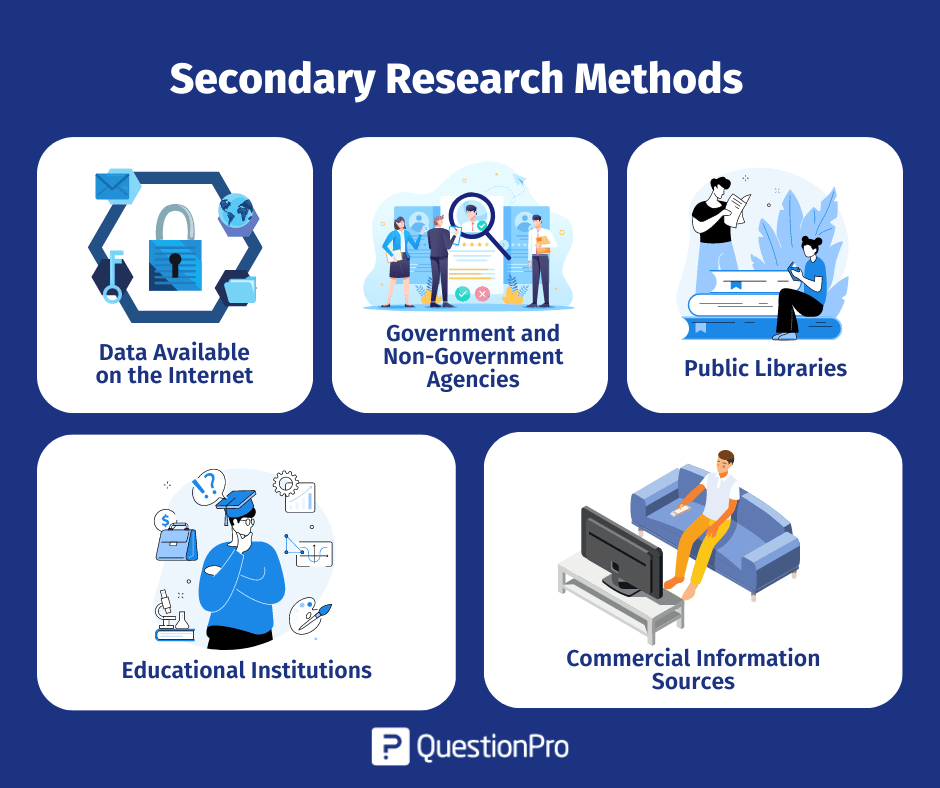
Where to Find Secondary Data (Hint: The Internet Is Your Friend)
Ready to start digging? Here are a few places to find secondary data:
- Online Databases (JSTOR, PubMed, Google Scholar): These databases are like your personal research goldmine, filled with peer-reviewed journal articles and case studies. Pro tip: Most universities offer free access, so check with your institution first!
- Books on Data Usage: There are plenty of academic books and guides that can help you understand how to use secondary data effectively. They’ll walk you through the process like a friendly mentor—no PhD required.
- Case Studies: These often include a treasure trove of secondary data that’s been analyzed and interpreted for you. Think of case studies as the research version of reading a mystery novel. They not only provide data but also tell you how others have used it.
Wrapping Up: Secondary Data—Your Research Superpower
Secondary data is like the sidekick every researcher dreams of having. It saves you time, gives you context, and opens up new avenues for discovery. By using it wisely, you can skip some of the grunt work and get straight to uncovering meaningful insights. Just remember: when using secondary data, always stay critical, be thoughtful about your sources, and keep track of your references.
So go ahead, embrace the power of secondary data in your research. With a little creativity and a dash of humor, you’ll find that research doesn’t have to be a marathon. Sometimes, the best solutions are already out there waiting for you to find them—just make sure to read the map first!
Happy researching!
 ASK Research Consult
Leave a comment